.png)
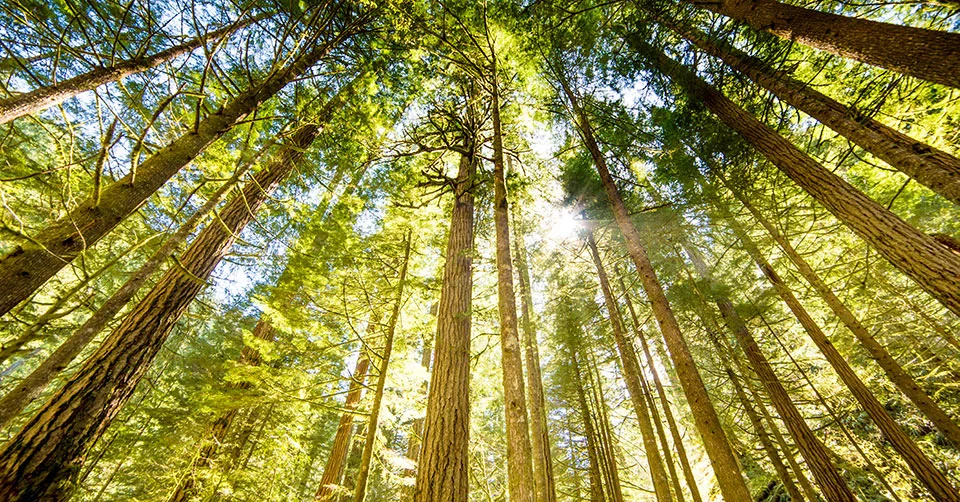
Spending time at events with organizations like The Nature Conservancy has a way of shifting your perspective.
You start to look at buildings differently.
Not just as structures, but as part of a larger ecosystem.
At EJH Construction, we’ve always believed that how you build matters just as much as what you build. And lately, that belief has been reinforced by what we’re seeing in both the environmental space and the construction industry, especially with the rise of mass timber.
Dr. Katharine Hayhoe, TNC' chief Scientist, sat down with us to discuss science and construction and how the two intersect.

Mass timber products like cross-laminated timber (CLT) and glulam are engineered wood systems designed to replace steel and concrete in many structural applications.
But this isn’t just about aesthetics (although the natural wood interiors are incredible).
It’s about impact.
It’s a shift from “build and take” to “build and give back.”
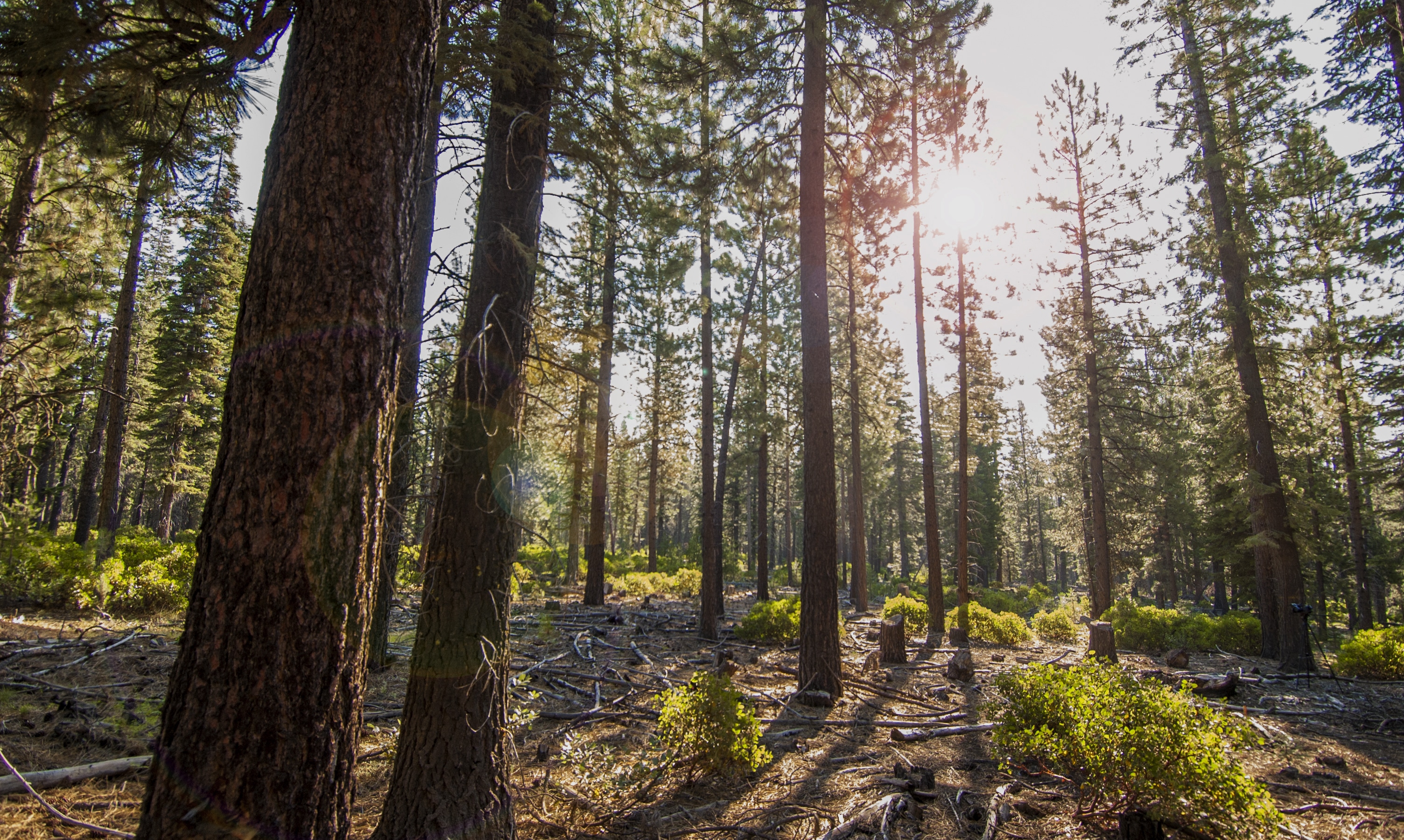
One of the most interesting parallels between construction and conservation is the idea of intentional intervention.
The Nature Conservancy doesn’t just “leave nature alone.” They actively manage forests-thinning trees, restoring habitats, and improving biodiversity.
Good construction should work the same way.
Not overbuilding.
Not cutting corners.
Not doing unnecessary work.
That idea was reinforced in our conversation with Dr. Katharine Hayhoe, who spoke about how the built environment plays a significant role in climate outcomes-and how small, intentional decisions at the project level can collectively make a measurable difference. As she put it, “we must incorporate climate into every aspect of our planning.”
But instead:
That philosophy aligns closely with how we approach mitigation work at EJH too-do what’s necessary, do it right, and don’t do what’s not needed.

As a full-service general contractor with deep roots in both emergency mitigation and high-end construction, we see a unique opportunity.
We’re often brought in at the earliest stage-when a building has been damaged, compromised, or needs to be rethought. That’s where better decisions can start.
From hospitality renovations to senior living communities to historic restorations, we’re always looking for ways to bring better building practices into the conversation.
Mass timber is one of those opportunities, but more broadly, it’s about building with intention.
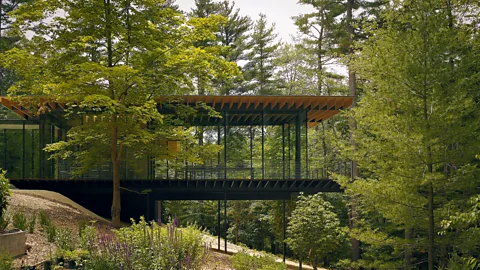
The future of construction isn’t just bigger or faster.
It’s smarter. More thoughtful. More connected to the environment around it.
Organizations like The Nature Conservancy are helping lead that conversation on the environmental side. As builders, it’s our responsibility to meet that moment, bringing those same principles into the spaces where people live, work, and gather.
At EJH Construction, we’re proud to be part of that shift.
Because good work should last.
Good people should stand behind it.
And good building should make the world a little better than we found it.