.png)
Mitigation: Hours that can Save Thousands
When a property experiences damage from water, fire, storms, mold, or other unexpected events, every passing moment is vital. While many property owners focus on repairs and rebuilding, the most important phase often happens before restoration even begins: mitigation.
Understanding the Role of Mitigation
Mitigation involves emergency measures designed to minimize the impact of property damage and prevent conditions from worsening. The primary goal is not to restore the property immediately, but to stop further deterioration until permanent repairs can be completed.
Mitigation services may include:
● Water extraction and removal
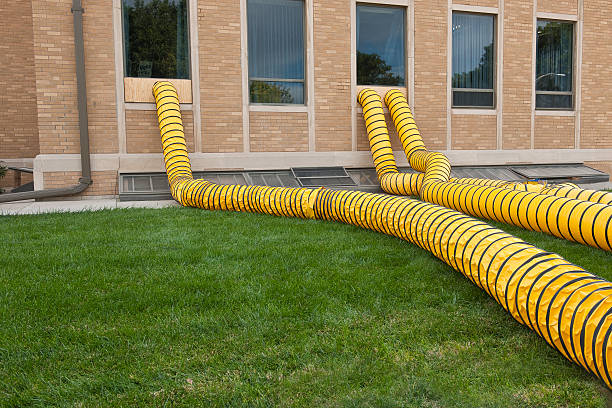
● Structural drying and dehumidification
● Emergency board-up services
● Roof tarping
● Debris removal
● Temporary structural stabilization
● Mold prevention measures
● Smoke and soot containment
● Moisture monitoring and documentation
These steps help preserve as much of the property as possible while creating a safer environment for occupants and contractors; the need for remediation and restoration cannot be properly assessed until the site is stable and contained.
Swift Action is Necessary
The longer property damage goes unaddressed, the greater the risk of secondary damage.
For example, water from a burst pipe can quickly spread throughout a building. Within hours, moisture can penetrate drywall, flooring, insulation, and structural materials. Within days, mold may begin to grow, leading to additional remediation costs and potential health concerns.
Similarly, a damaged roof following a storm can allow water intrusion that compromises ceilings, electrical systems, and interior finishes. Immediate mitigation can prevent a relatively minor issue from becoming a major restoration project.
Prompt action also helps the process past just the structure, such as minimizing interruptions to business and faster insurance claim processing.
Common Types of Damage Requiring Mitigation
Water Damage
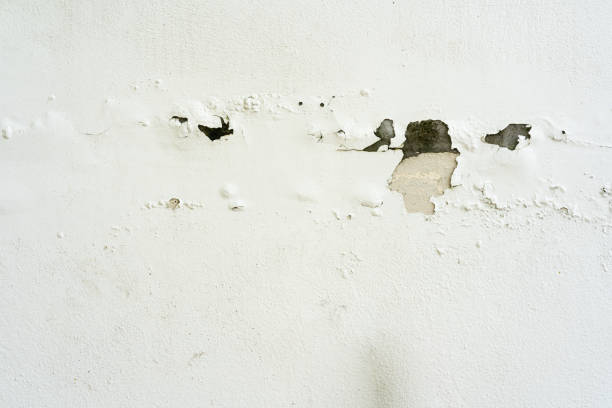
Water damage is one of the most common reasons mitigation services are needed. Sources may include burst pipes, appliance failures, roof leaks, flooding, and sewer backups.
Professional mitigation makes use of specialized equipment to remove water, dry affected materials, and monitor moisture levels to prevent long-term damage.
Fire and Smoke Damage
After a fire, properties often face challenges beyond the visible damage. Smoke, soot, and water from firefighting efforts can continue to affect the building long after the flames are extinguished.
Mitigation efforts may include securing the structure, removing debris, controlling odors, and protecting unaffected areas from further contamination.
Storm Damage
Severe weather can leave buildings exposed to the elements through damaged roofs, broken windows, and structural impacts.
Emergency tarping, board-up services, and temporary stabilization measures help protect the property until permanent repairs can be completed.
Mold Concerns
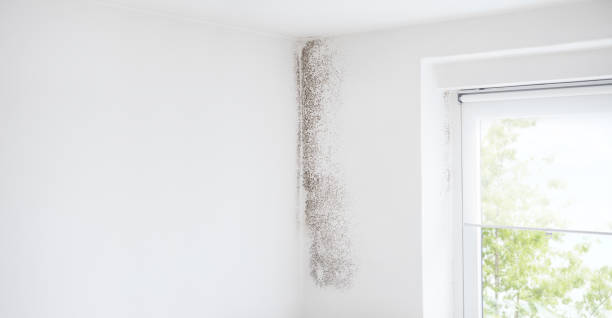
Mold often develops following water intrusion. Early mitigation efforts focus on drying affected areas and controlling moisture, significantly reducing the likelihood of widespread mold growth.
Financial Benefits of Mitigation
One of the strongest advantages of mitigation is cost control.
A small water intrusion that is addressed immediately may only require drying and minor repairs. The same incident left untreated could lead to extensive demolition, mold remediation, and even total reconstruction.
By reducing the scope of damage, mitigation serves to save property owners and insurance providers thousands of dollars in additional restoration expenses.
How Mitigation Supports Insurance Claims
Insurance companies generally expect property owners to take reasonable steps to prevent further damage after a loss occurs. Mitigation demonstrates that proactive measures were taken to protect the property.
Mitigation professionals also provide documentation such as:
● Moisture readings
● Images of damages
● Progress reports
● Damage assessments
This documentation can help support claim accuracy and streamline communication between property owners, contractors, and insurance adjusters.
Final Thoughts
Mitigation is the critical first step in recovering from property damage. By acting quickly to stabilize the property and prevent further deterioration, mitigation helps protect structures, reduce costs, and create a clear path toward successful restoration.
Whether the damage is caused by water, fire, storms, or mold, responsible mitigation can make the difference between a manageable repair and a costly reconstruction project. For property owners, investing in immediate mitigation is one of the most effective ways to protect both their property and their bottom line.