.png)
Water Extraction: Every Drop Counts
When water finds its way into your property, the damages can (and will) cascade out of control without proper attention. A simple leaky pipe under a sink may very well turn into full cabinet replacements, subfloor repairs, and even mold remediation.
Water would love nothing more than to take the path of least resistance, and it will seek that out in all directions. It seeps through your floors, wicks up drywall, and can even migrate between levels of a property through framing and insulation. A small puddle of water on a floor is often a fraction of the issue; by the time problems like staining, warping, and musty odors appear - water has almost certainly found its way much deeper into the structure.

Understanding the Water Extraction Process
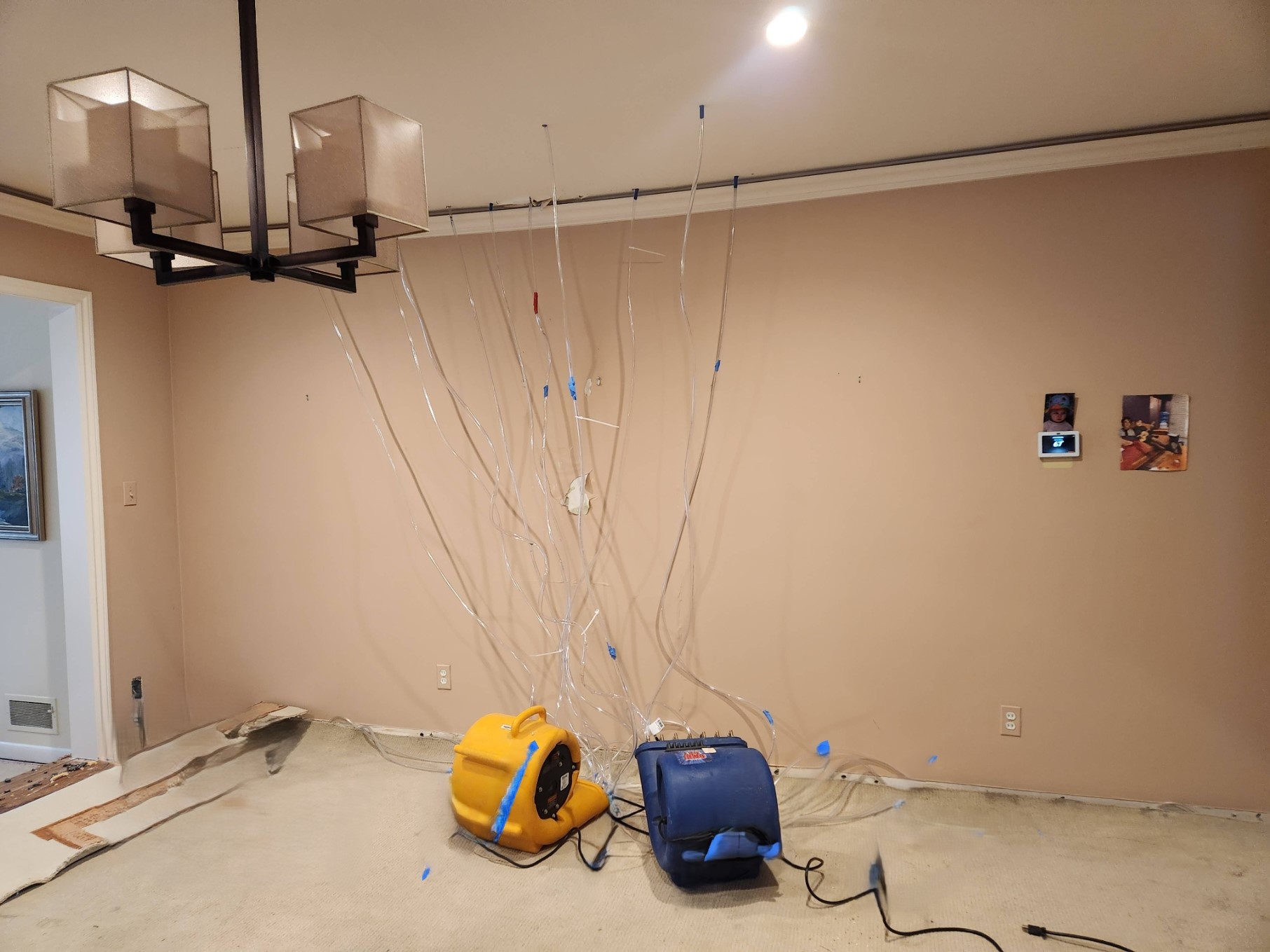
Water extraction, or water removal, is the first and most critical step in addressing any unwelcome water. The process would begin with an initial assessment: evaluate the extent of the water intrusion, identify the source, and determine the category of water (clean, gray, black, etc). Understanding the issue to its full extent is the top priority, as it dictates safety measures and cleanup processes required.
Why Water Extraction is Important
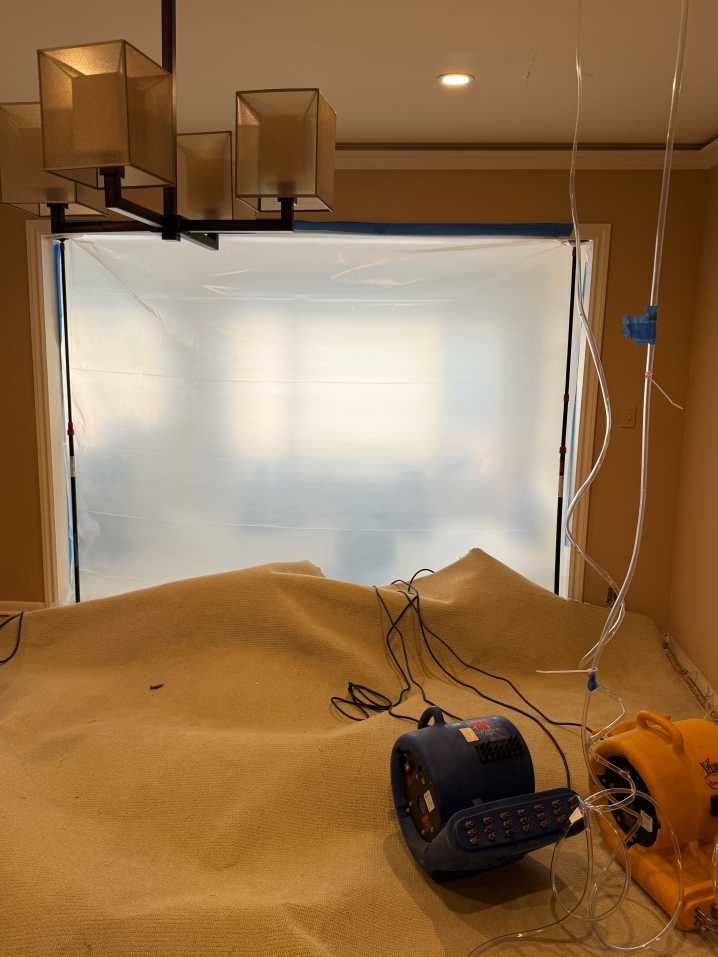
Timing is the single most crucial factor in any potential water damage scenario. The longer the water is present on the property, the more damage it causes. Mere hours may allow water to affect the structural integrity of wood and drywall. Within days, mold can take root, pose serious health risks, and complicate the restoration process even further.
Stop the Deluge
Water damage doesn’t wait, and neither should you. Whether a small leak or a major flood, acting quickly with the help of professionals can make the difference between a minor inconvenience and a full-blown catastrophe. Forces of nature must be respected and addressed in kind.